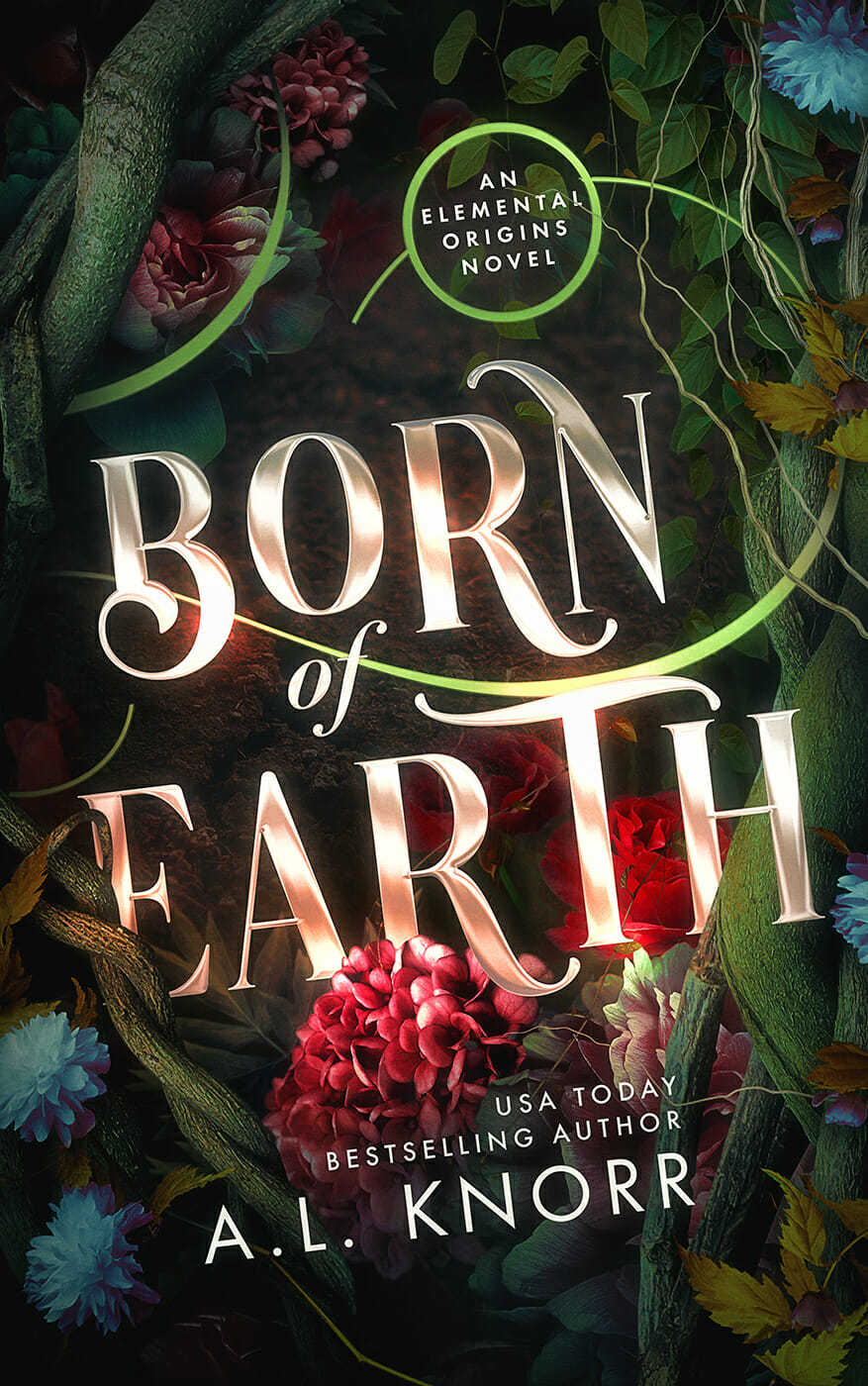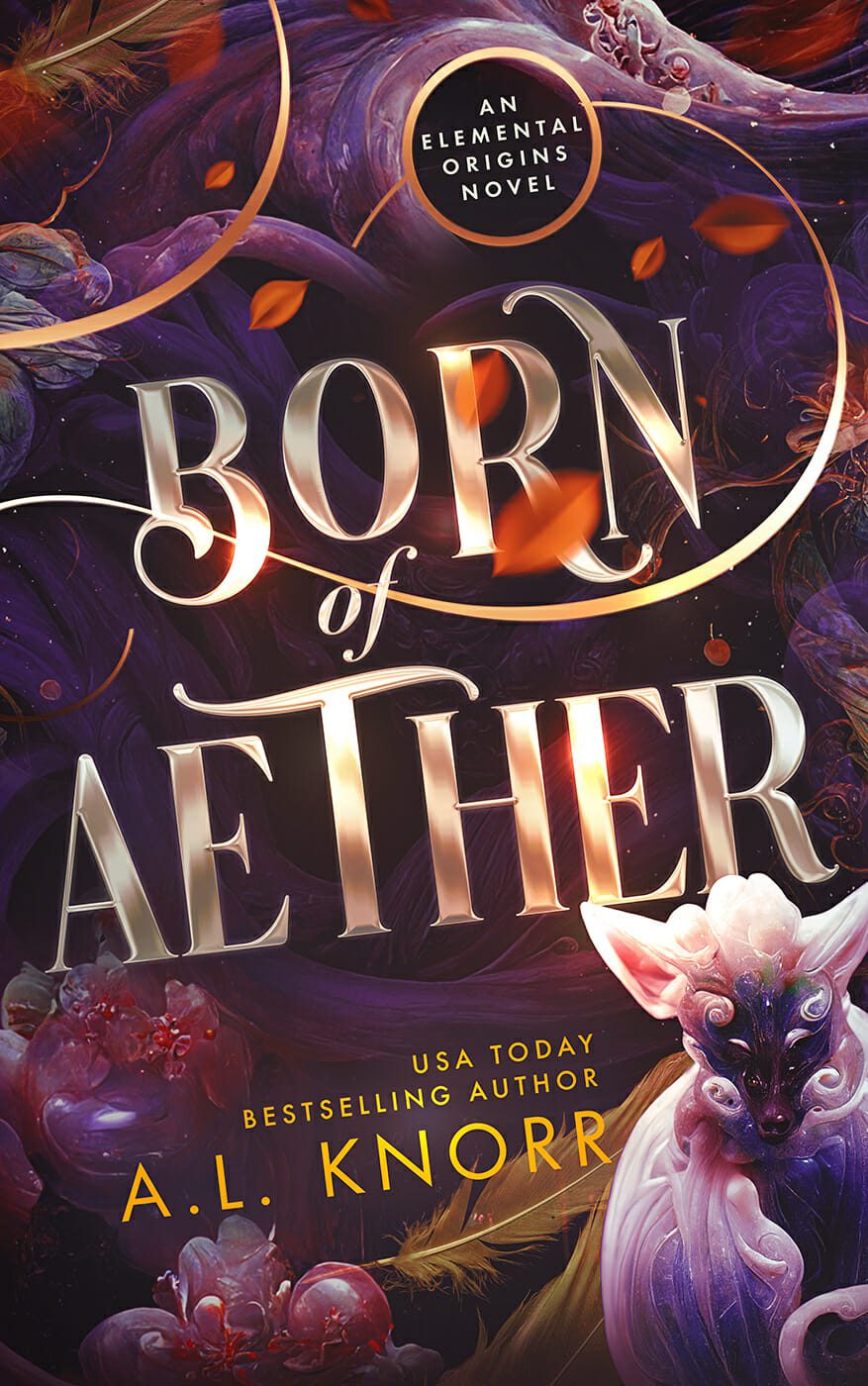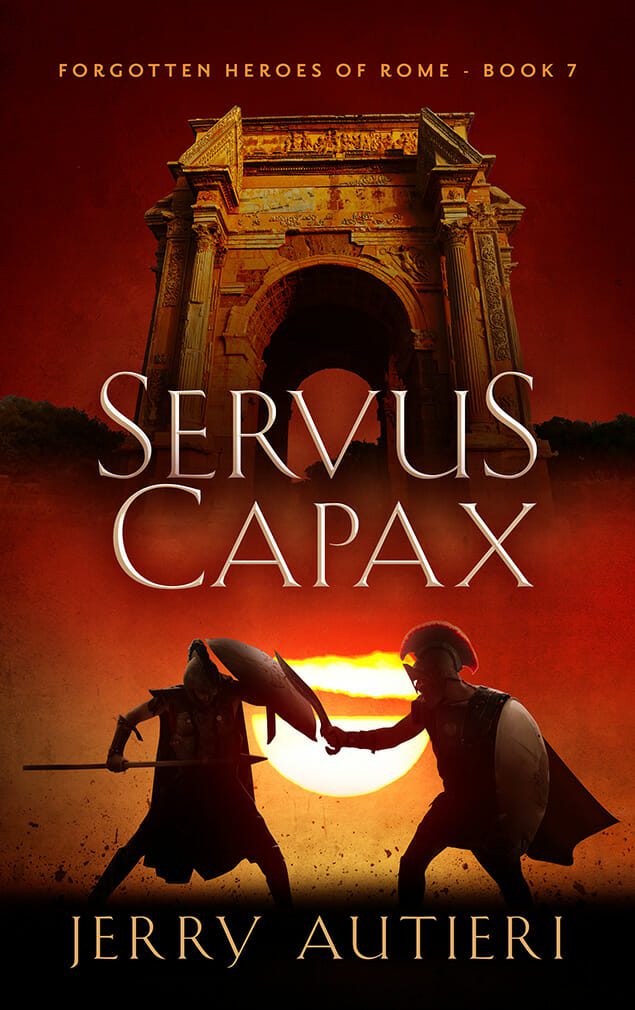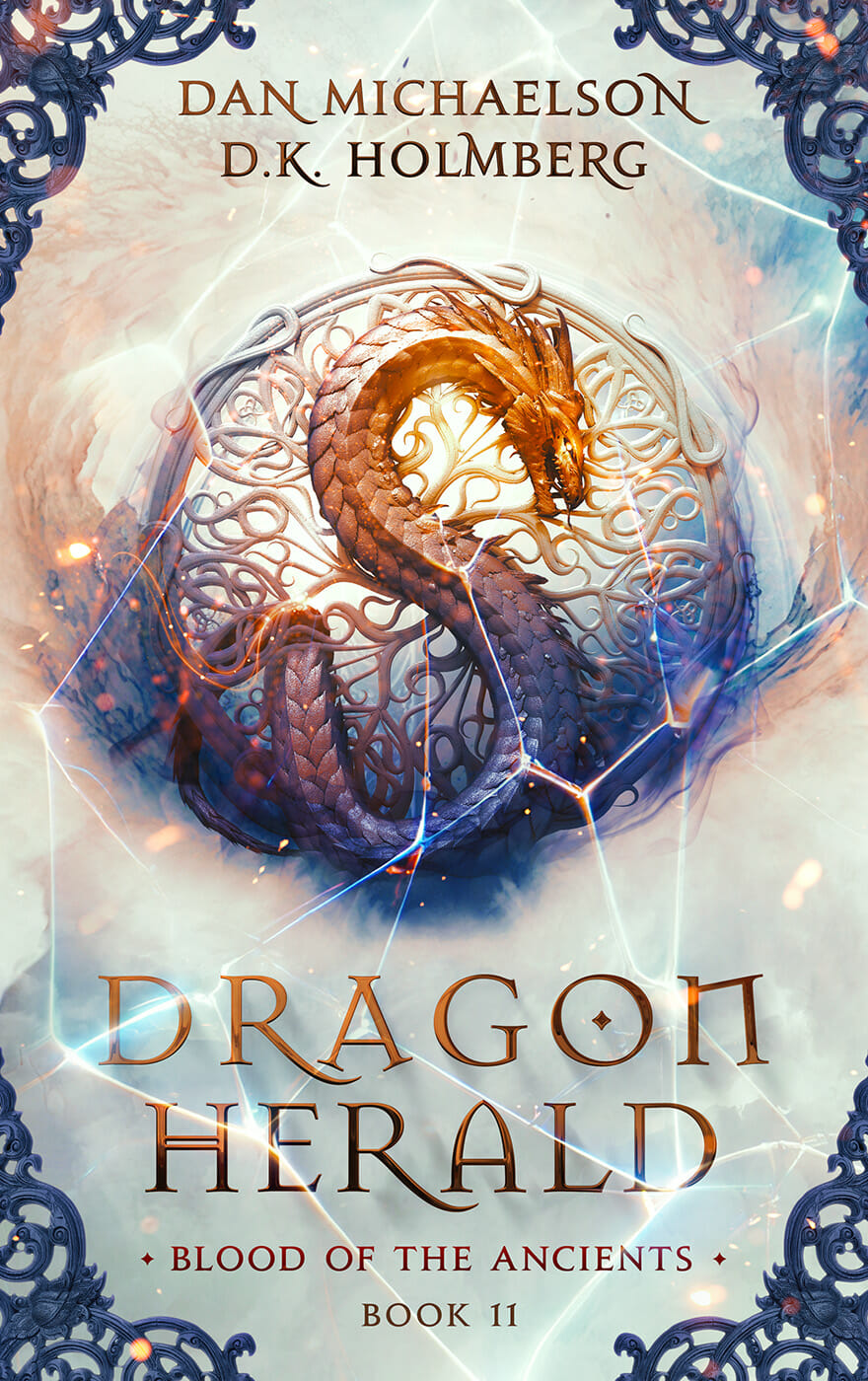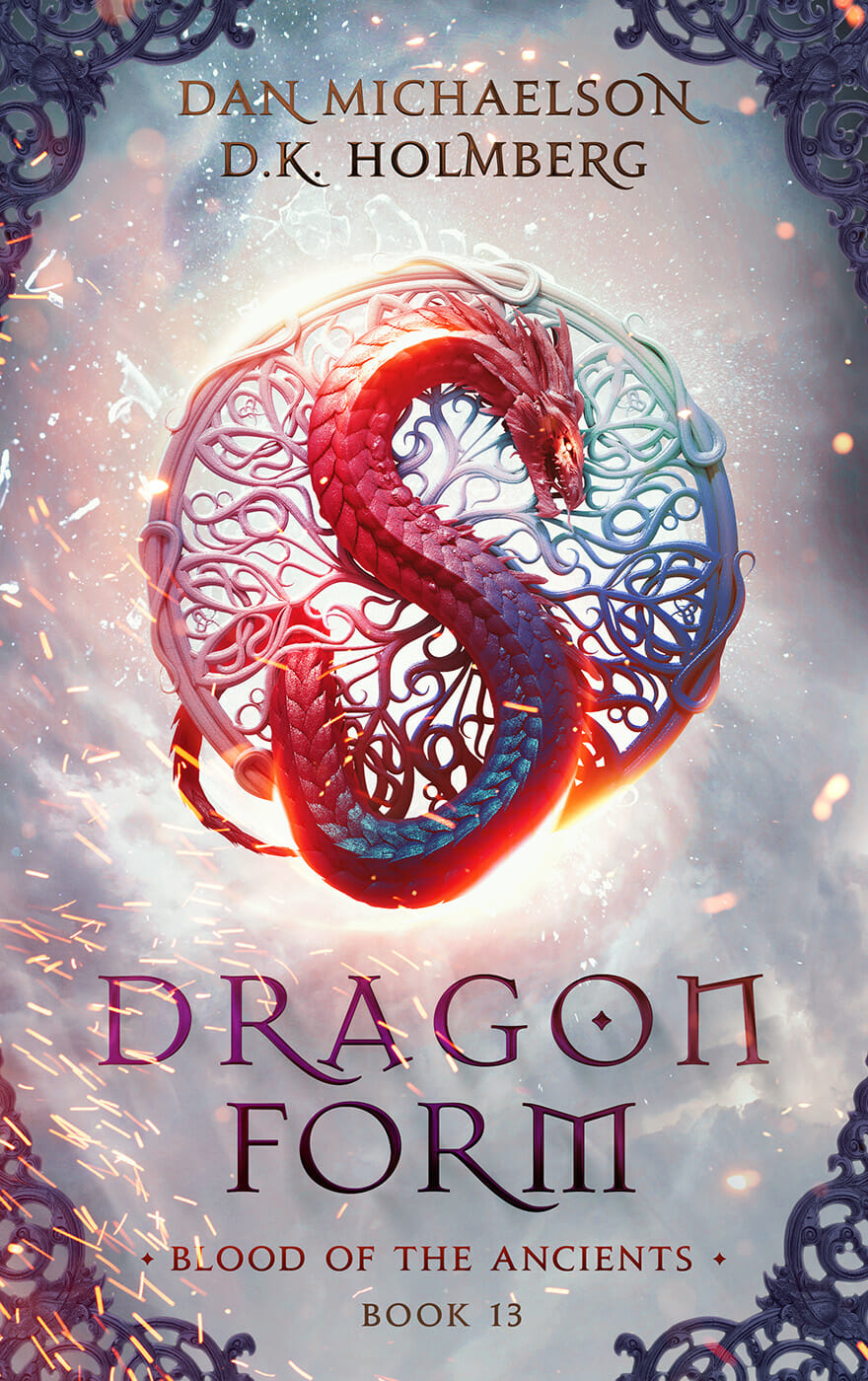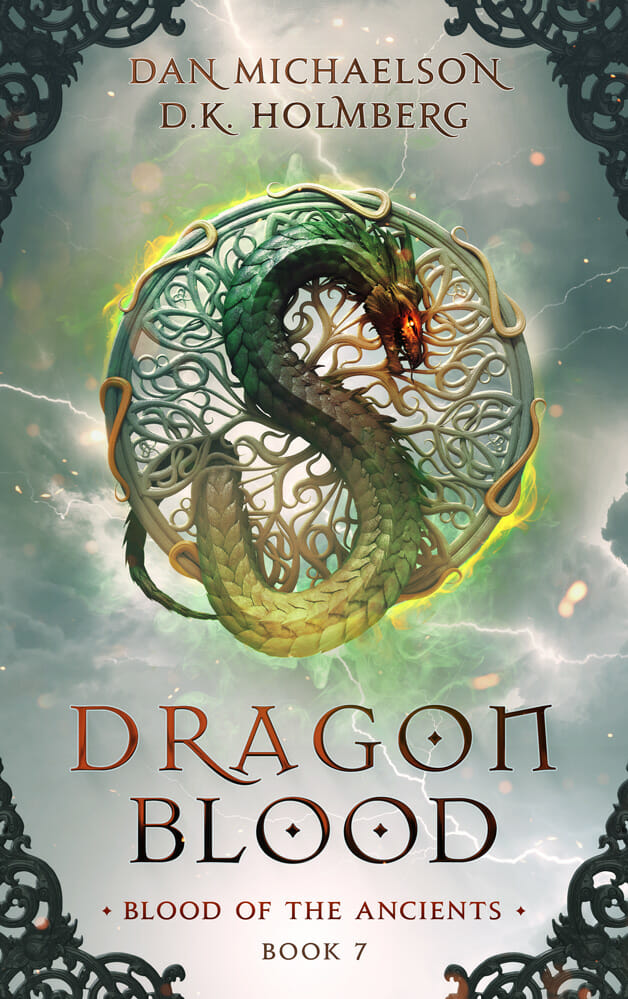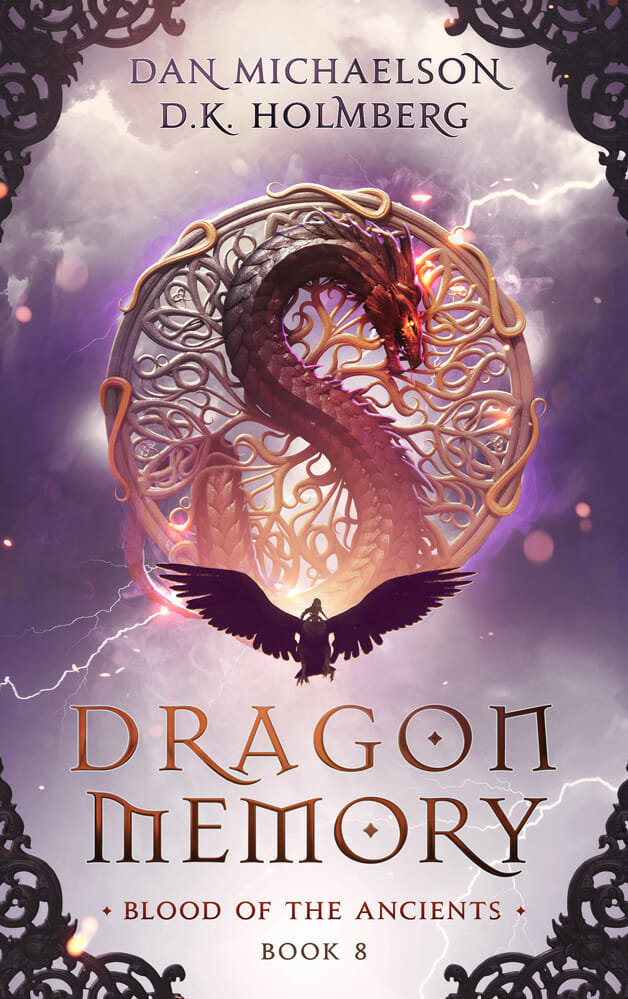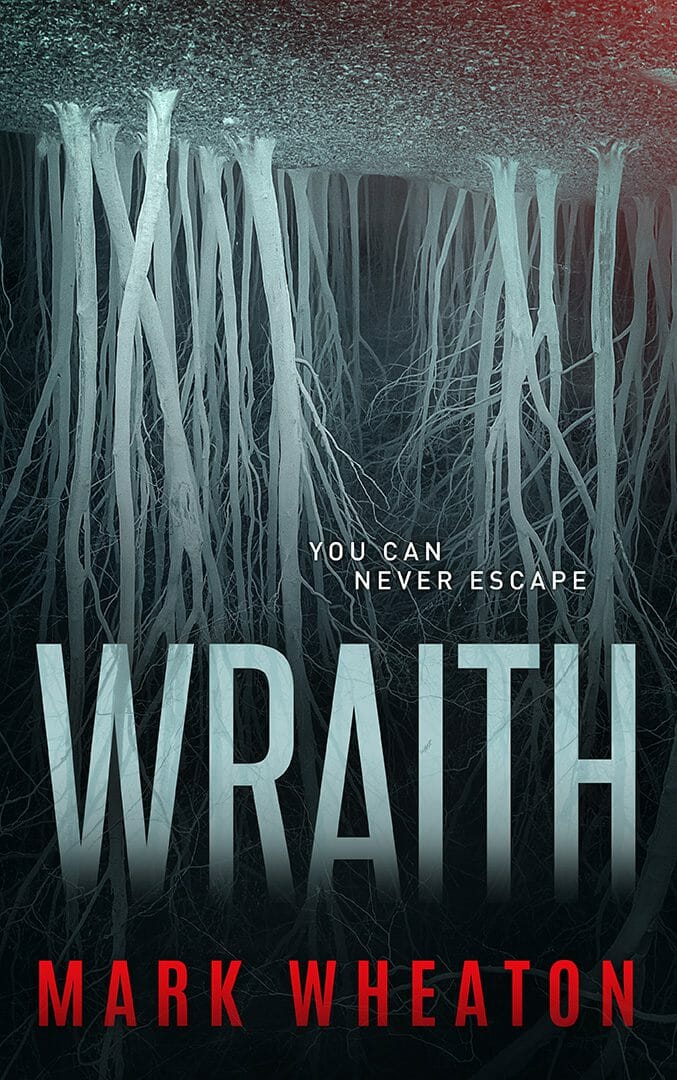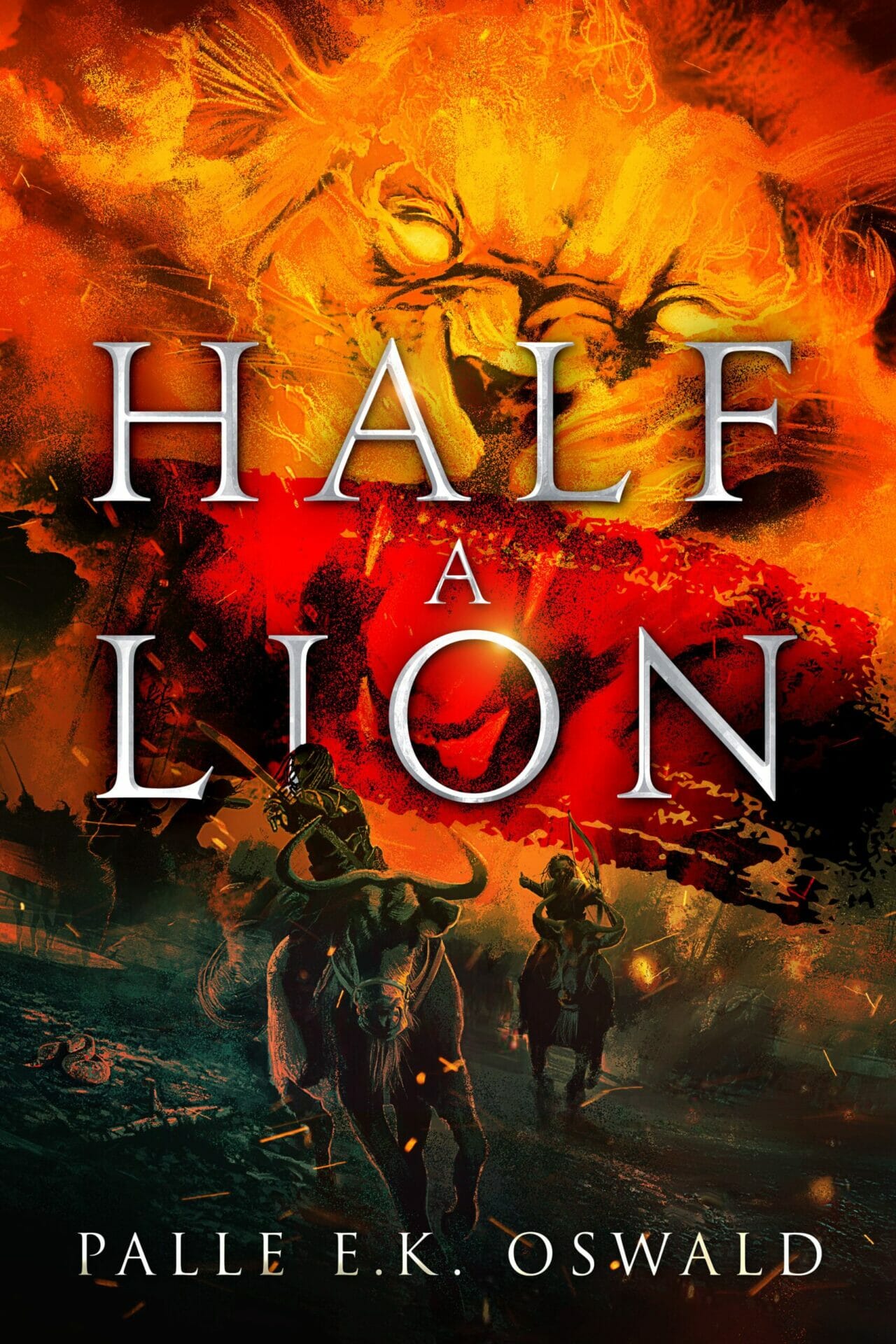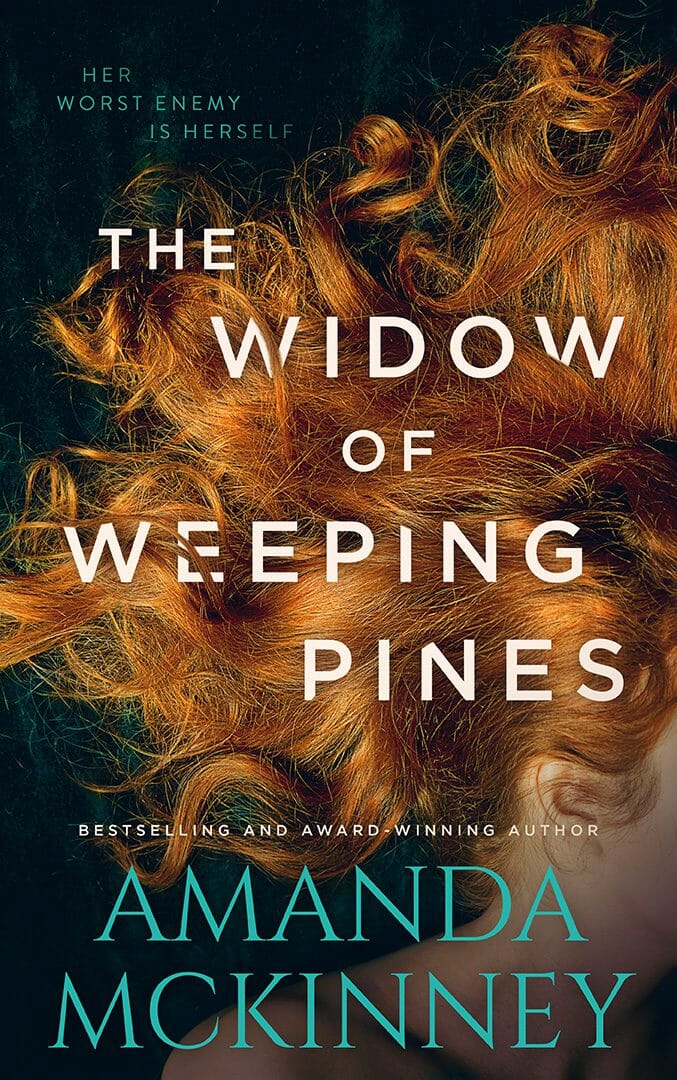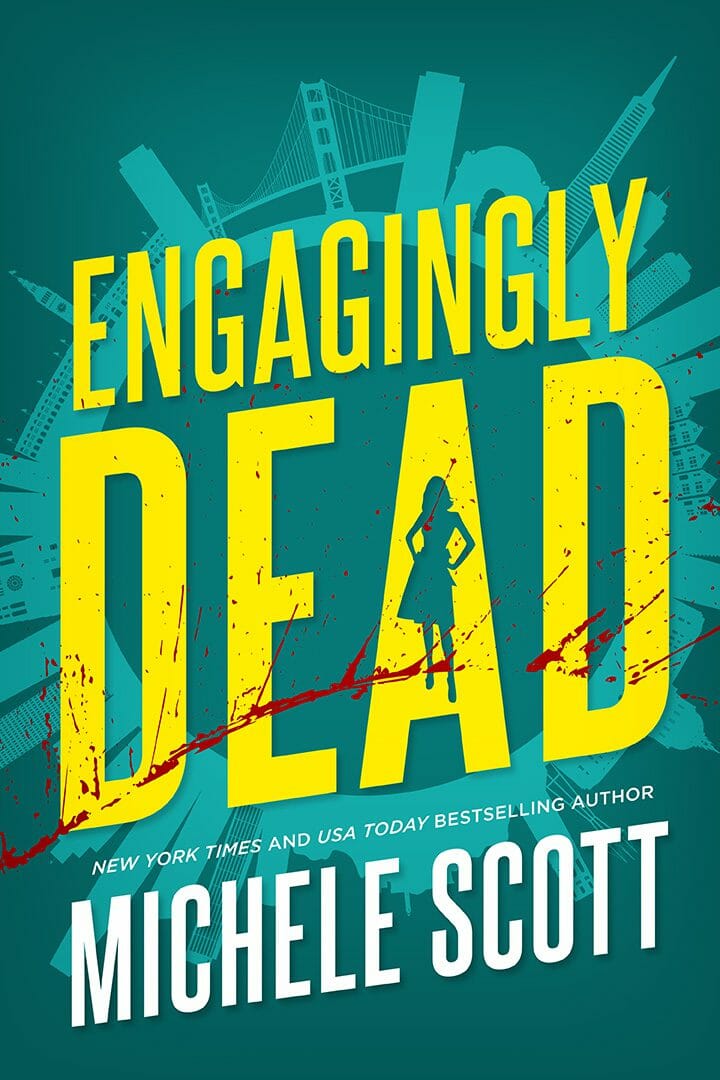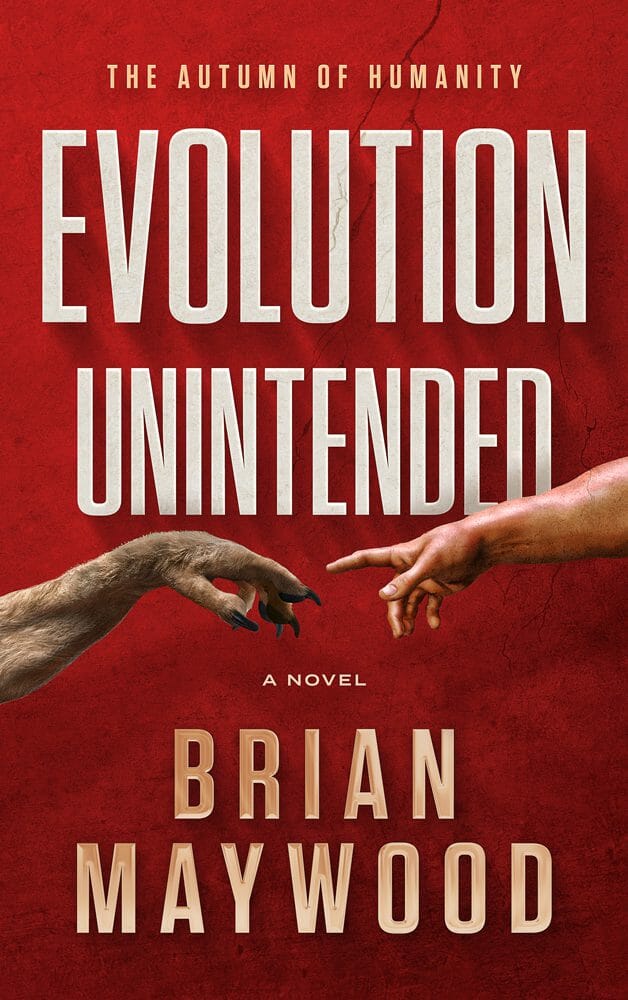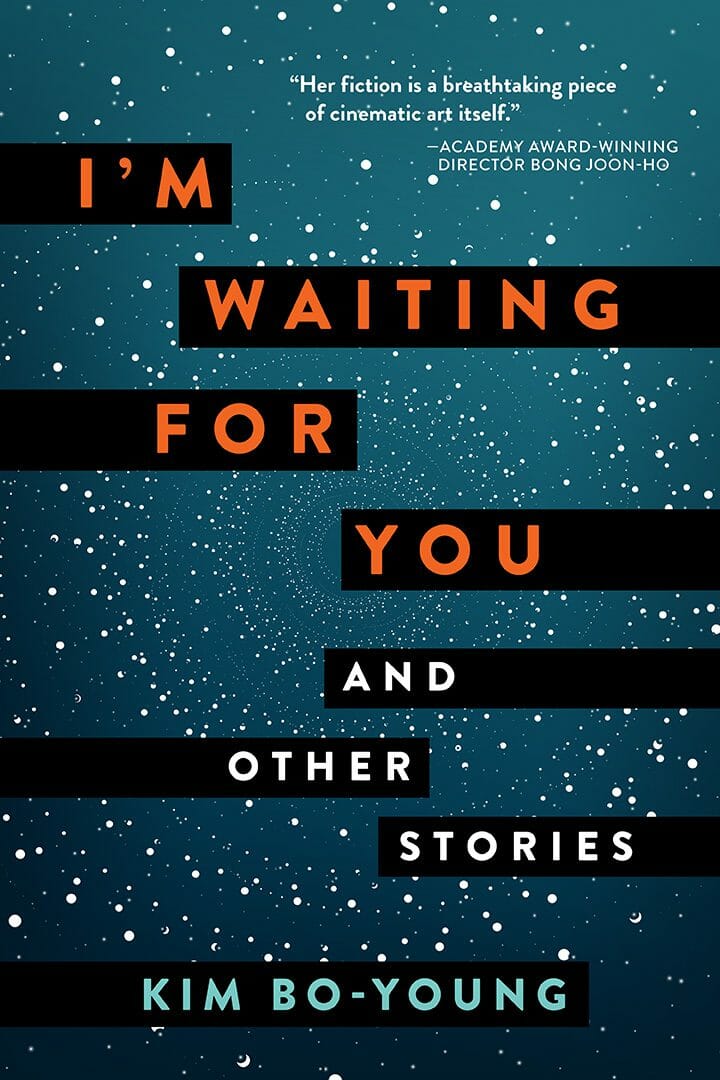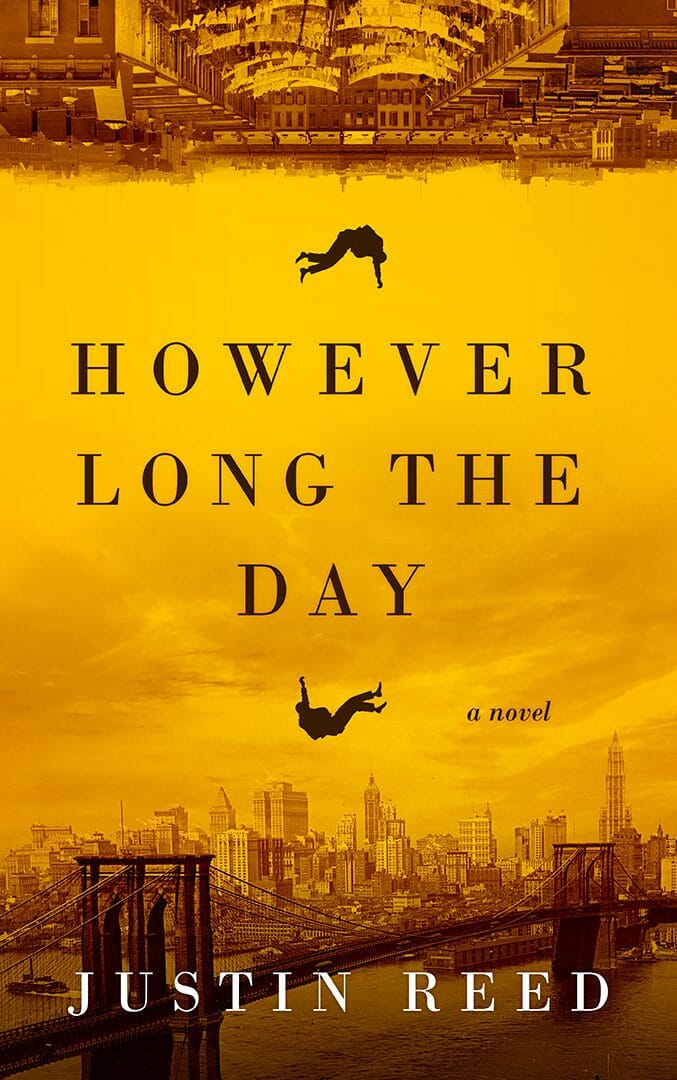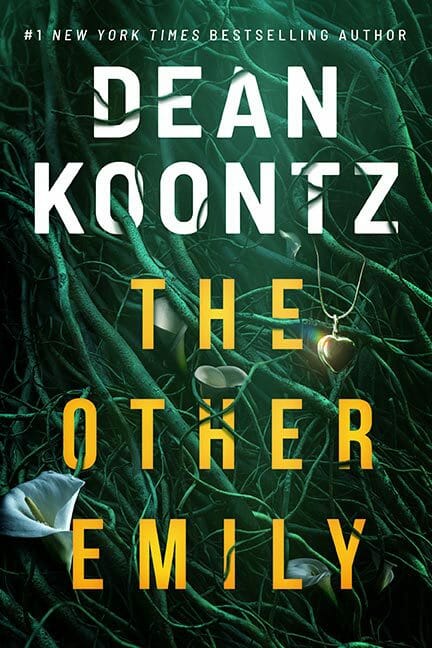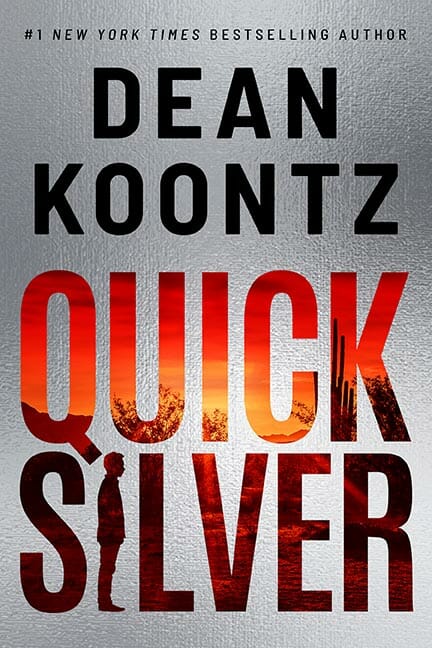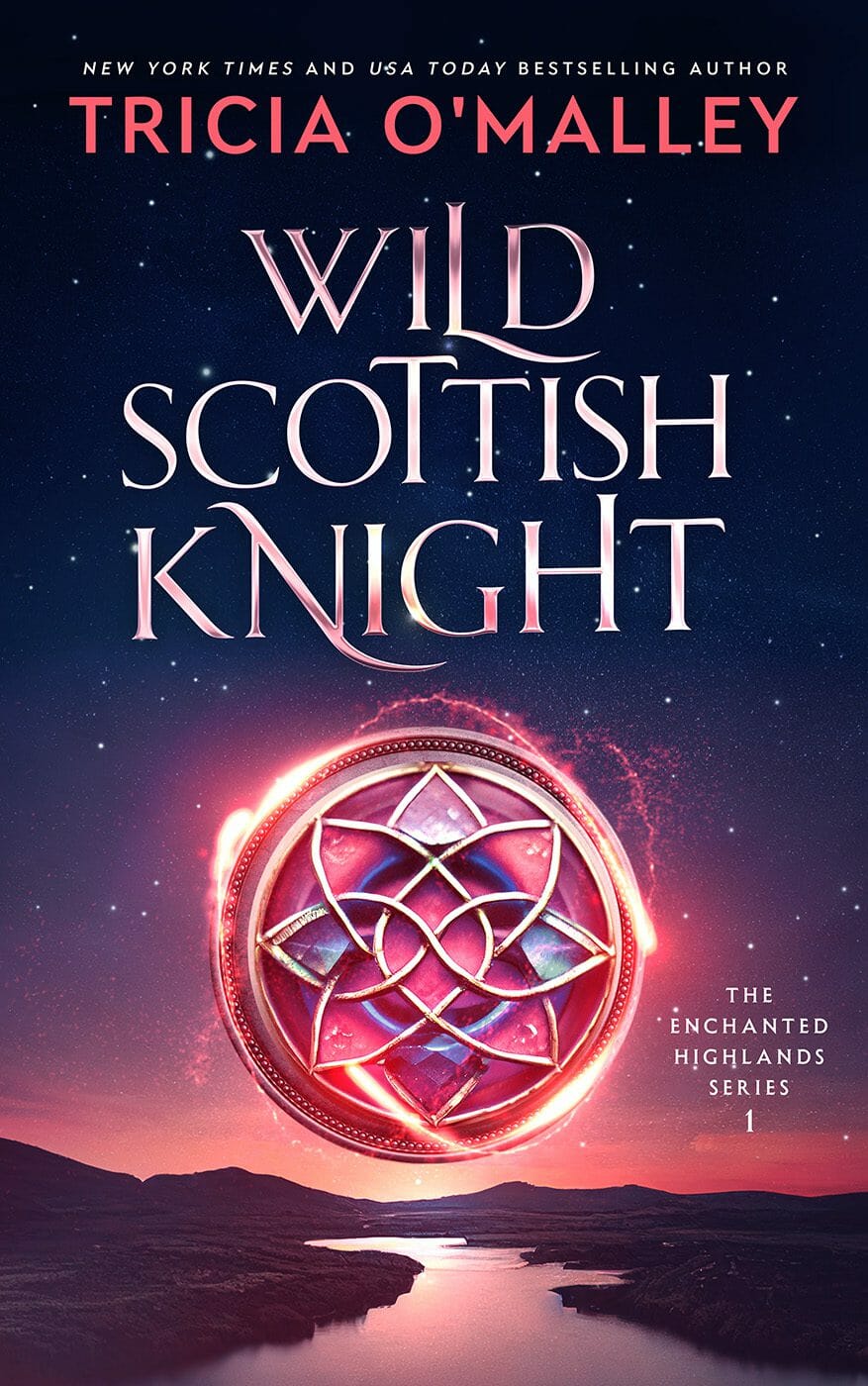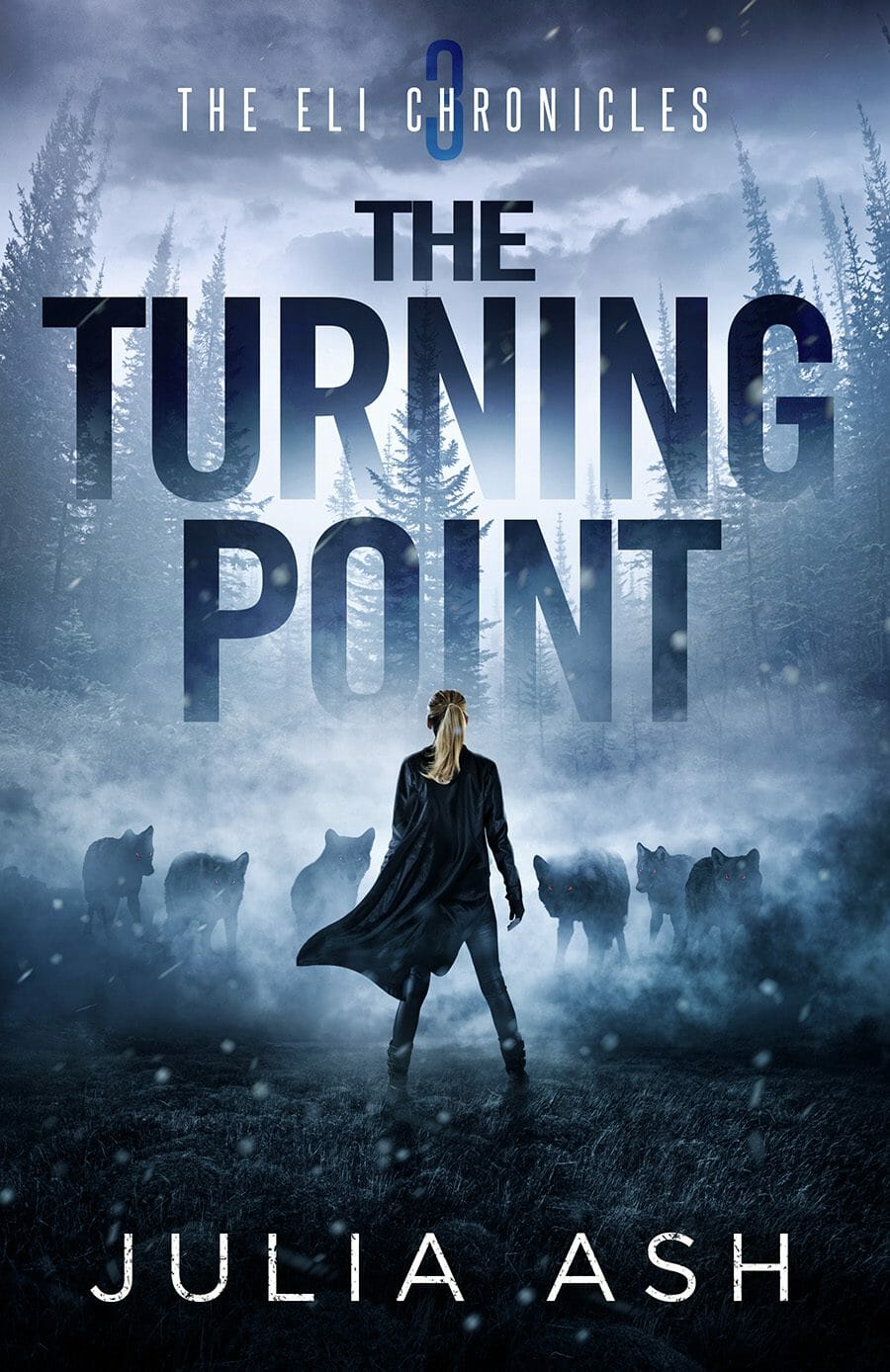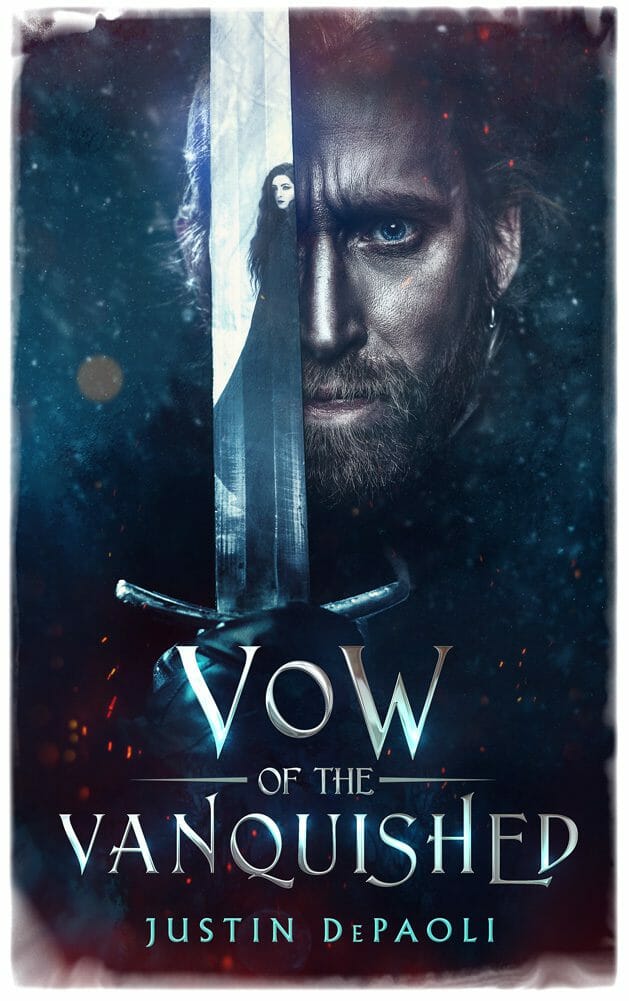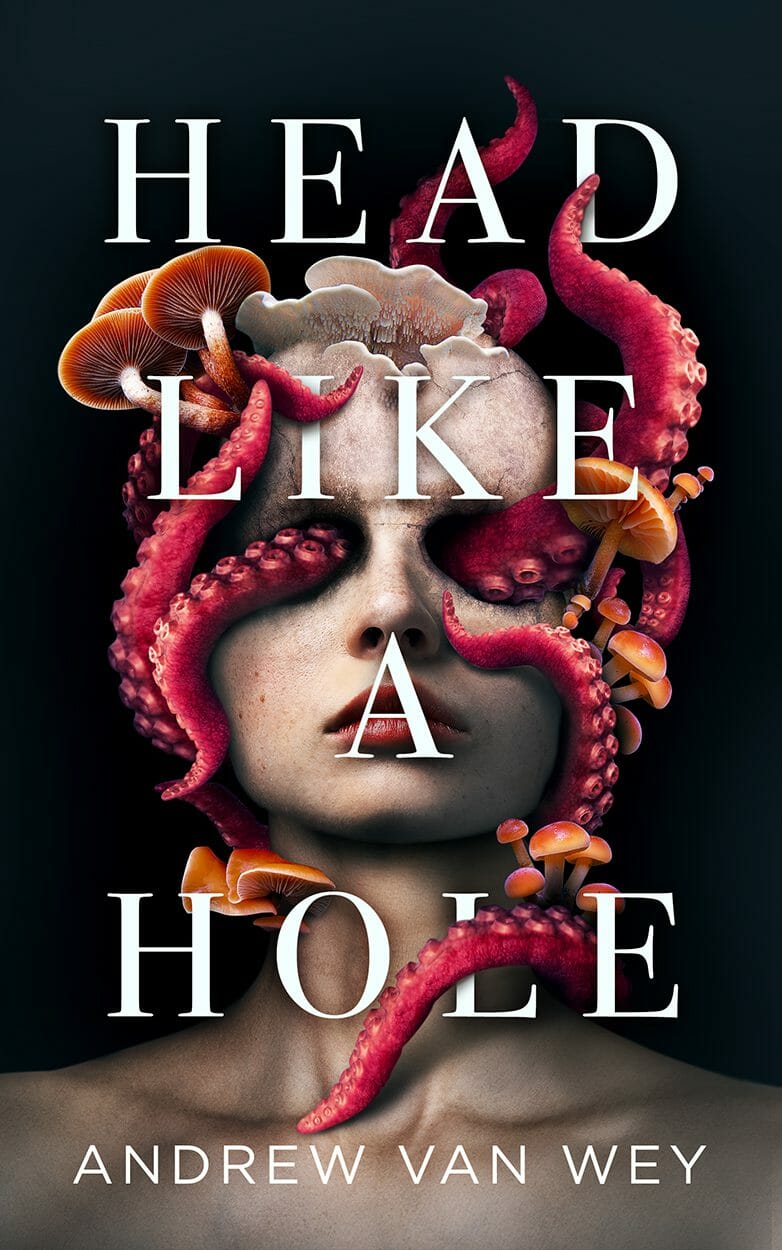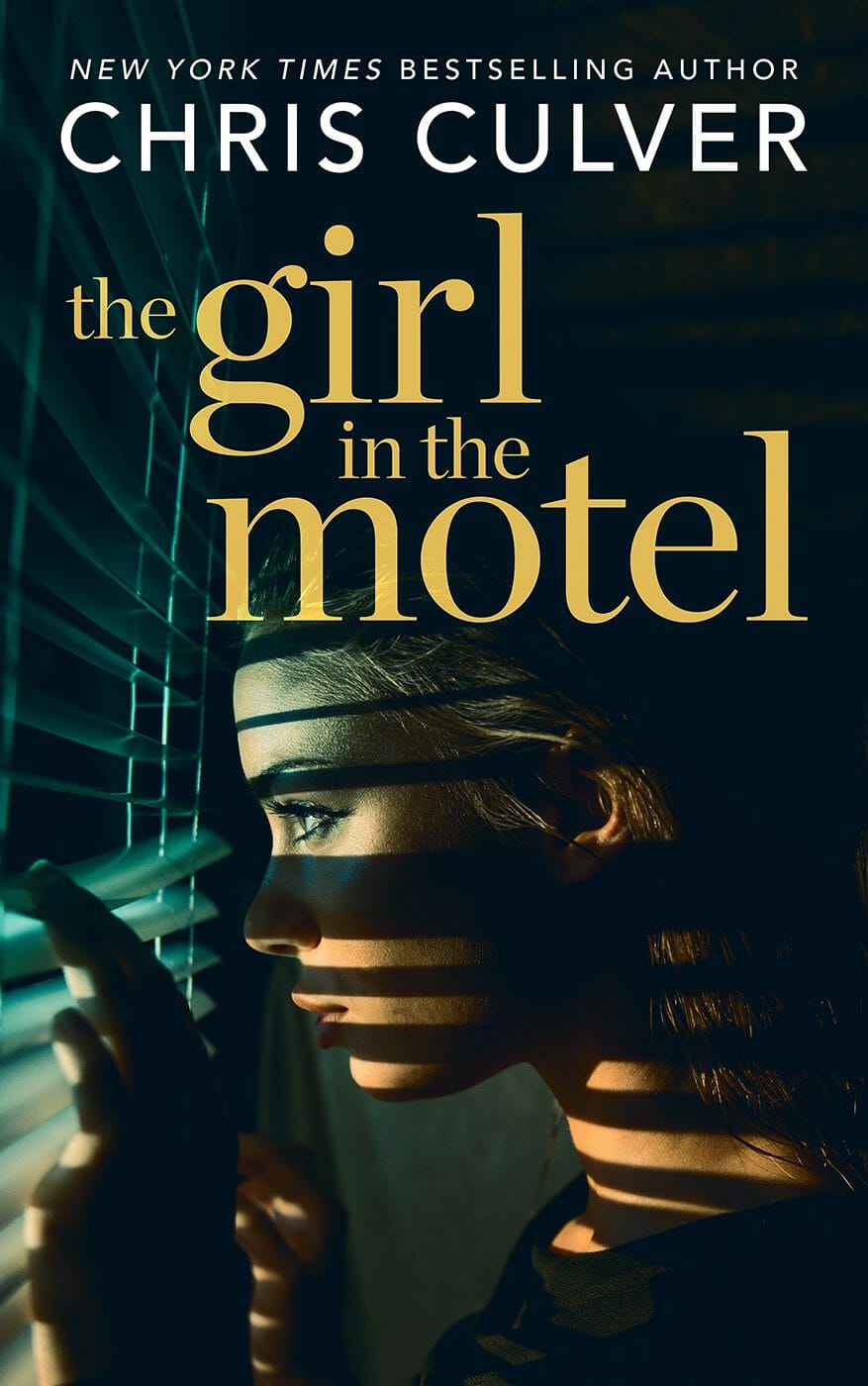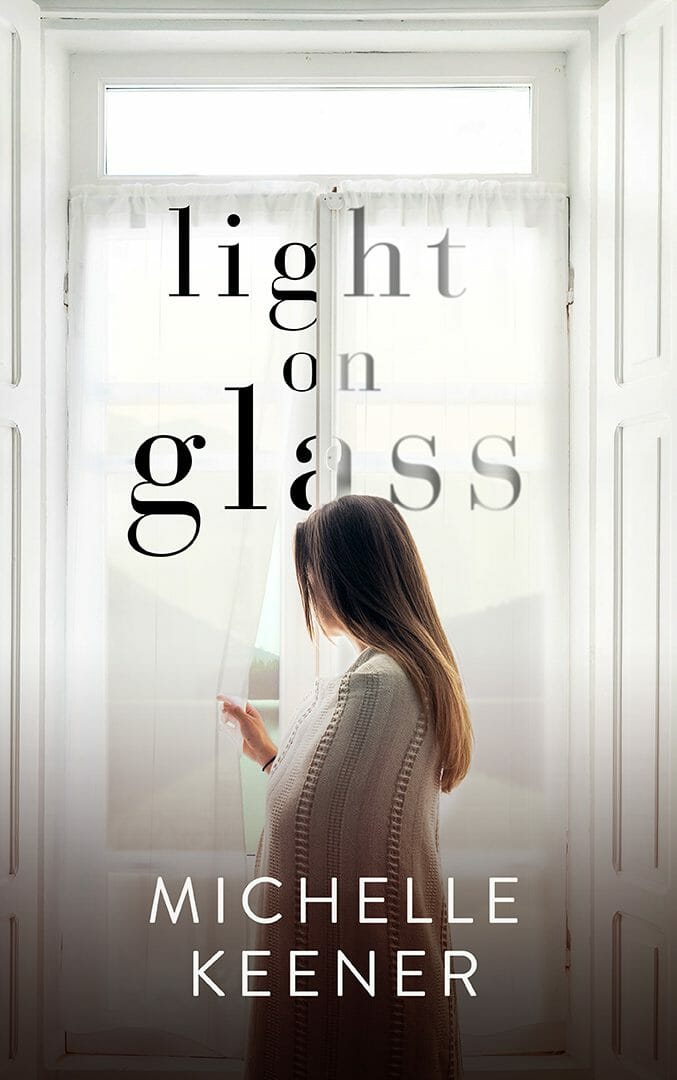
Spend a bit of time in online author spaces – Facebook groups, Reddit threads, YouTube comments, #BookTok – and you’d be forgiven for thinking that the publishing industry is in the midst of a reckoning, perhaps even a crisis, in regards to AI book covers. Questions abound: Are they ethical? Are they detectable? Does Amazon penalize them? Can readers tell?
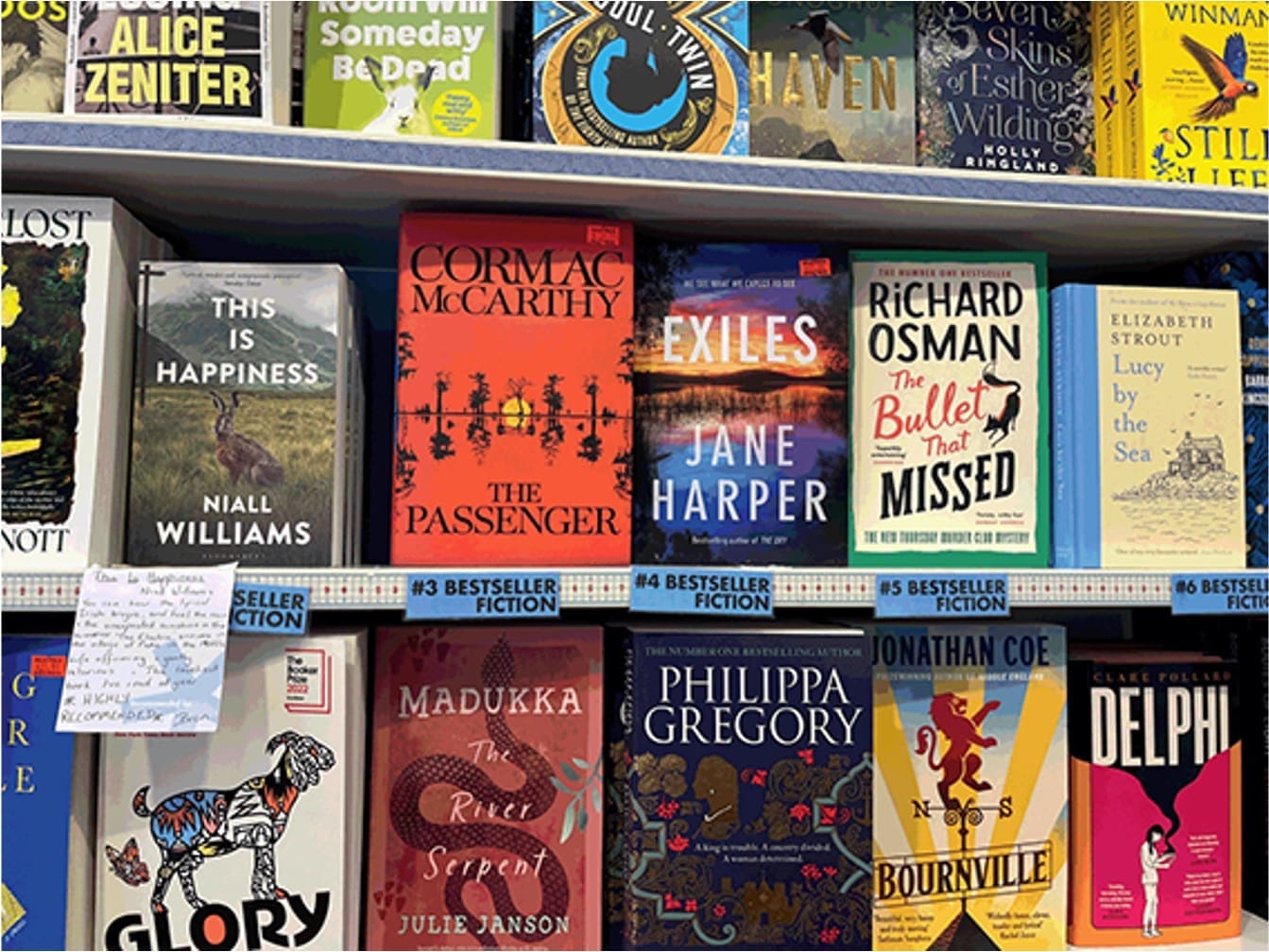
There’s one issue with these debates: the people with the loudest opinions – inevitably other authors – aren’t buying your books. Readers are. And those readers are doing what they’ve always done: scrolling through Amazon, browsing bookstore shelves or clicking on BookBub deals in search of their next great read.
They aren’t breaking down whether your cover was photographed, composited, generated, painted by Da Vinci, or handcrafted by a professional book cover designer (hi!).
Readers gaze at a thumbnail of your cover for 2-3 seconds (if you’re lucky) and ask themselves a simple question: does this look like the kind of book I’d enjoy reading?
Before we go further: what about ethics?
If you, the author, have an ethical issue with the way generative AI is trained, the amount of water or energy it uses, or just generally feel squeamish about the technology, my sincerest apologies: this article has not been written for you.
Stand by your principles. That’s absolutely fine. We’ve been crafting covers without AI for a decade and a half, and we’ll continue to do so – if you don’t want AI elements used, just say the word.
This article, however, is for those who are generally okay with the concept of generative AI; who recognize the benefits of it, but think that their readers or the Amazon algorithm might have a problem with it.
If you’re still reading, we’ve got good news.
Readers only care about one thing
We design non-AI covers and covers that include AI every single day. As a result we’re pretty good at spotting AI images.
You know who’s not good at it? Almost everyone else.
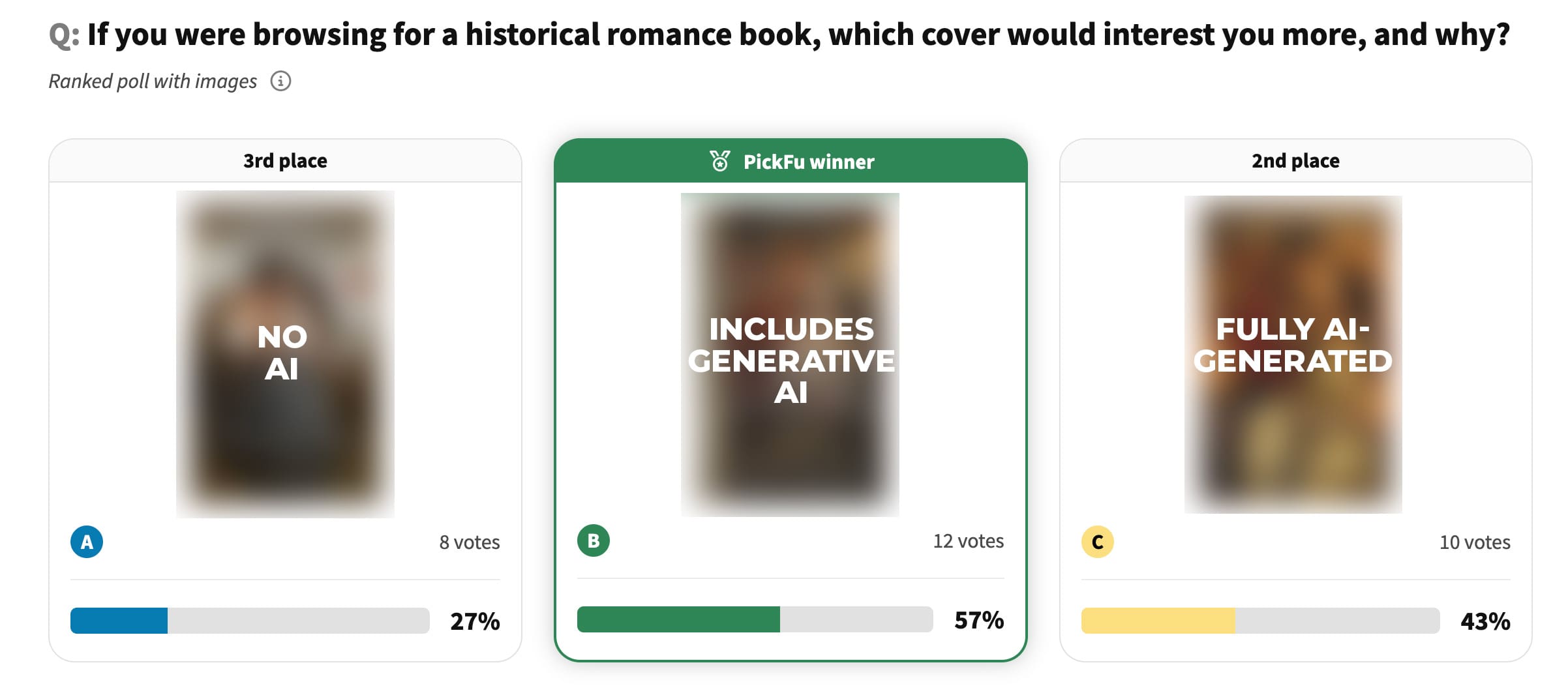
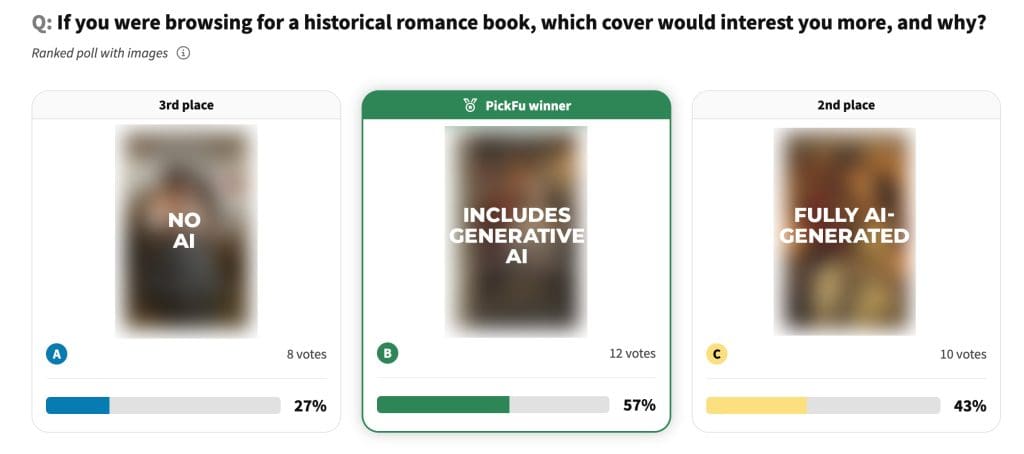
We’ve polled readers of different genres. Placing covers created with and without generative AI beside each other, we’ve asked “which cover are you more likely to click on?” Time and time again, the majority of people prefer covers that include generative AI – even when, in my opinion, the use of generative AI is obvious.
Between 30 and 50 readers within each target market for that genre were polled. Although the results are clearly in favor of covers that include generative AI, that’s not the most interesting outcome of these polls. Readers don’t appear to care whether generative AI was used at all. Across all of the polls, the comments focused almost entirely on genre fit, visual appeal, and reader expectations. The method used to create the cover was largely irrelevant to the people choosing between them. In other words, if the use of generative AI were a significant factor in readers’ decision-making, you would expect to see it reflected in either the results or the comments. It's not.
Either they don’t see the generated elements, or they don’t care. Probably both.
Sci-fi readers aren’t asking whether AI was used to create the city skyline in the background. They’re asking ‘does this look like the kind of story I’d enjoy?’ Romance readers aren’t examining the faces of the people on the cover, looking for AI artifacts. They’re deciding whether the book will deliver the emotional experience they’re after.
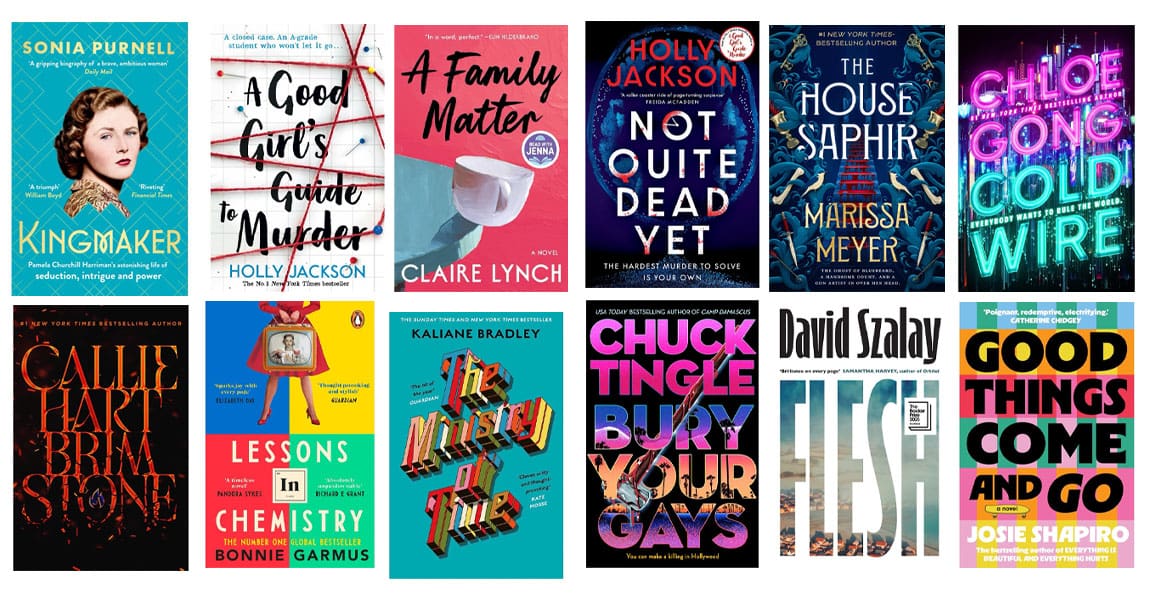
Many authors try to make their covers stand out from everything else in their genre, which is understandable. But readers tend to look for the exact opposite. They want reassurance, familiarity, confidence that they’re about to spend their time and money on something they’ll enjoy.
The AI debate is the same. While authors are often focused on whether are not AI was used on the cover (or the interior, for that matter), readers are only ever focused on whether it looks like the kind of book they would enjoy.
Simply put, readers don’t buy the design process. They buy the book.
What about Amazon?
While Amazon does ask to be informed if generative AI was used, this doesn’t impact the listing or promotion of your book whatsoever. This is pure back-end information – just another data point Amazon can crunch.
A metaphor: The McDonald’s job application asks you to list your hobbies. This information gives the golden arches a deeper understanding of you as an applicant. It doesn’t affect whether you’re hired, how you work, or if you end up as store manager. Your interests aren’t displayed on the screen in the drive thru.
That comment you read that said you can’t sell your book on Amazon if it uses generative AI? Untrue.
The Reddit thread that said you can’t copyright your cover if it includes AI-generated images? False (and irrelevant: you copyright the book – the cover is just the packaging).
There’s zero evidence to suggest that Amazon cares about AI covers or cover elements. And when you think about it, that makes perfect sense.
Amazon cares about what Amazon has always cared about: making money. Their job is to pair the right reader with the right book. If that reader is satisfied with their purchase, they’ll come back for more, and Amazon will make more money. Everything on the Amazon product page – the cover, the title, the subtitle, the blurb, the keywords, the categories – exists to help readers understand what they are looking at and make better buying decisions.
Amazon doesn’t actively analyze covers. It simply rewards books that are aligned with their audience, and that consistently please that audience. The cover's job is to attract the right reader and set the right expectations.
To Amazon, how the cover is created is essentially irrelevant.
The real problem with AI-generated covers
This is usually the point at which someone points to an obviously AI-generated cover and shouts ‘But look! AI covers are terrible!’
Some are. Many are. Particularly if they are entirely AI-generated, spat out by an unthinking machine.
While we’re on that point, the term ‘AI cover’ can mean very different things to different people. There are four levels of AI usage in cover design:
1. Covers designed without any AI at all.
2. Covers designed with help from AI, like using it to speed up workflows or edit images. (A gray area, as it can be hard to tell where this shifts from assistance to generative in modern AI-enabled tools like Photoshop.)
3. Covers created with one or more AI-generated elements as part of the overall design.
4. Covers fully generated by an AI tool ("Hey ChatGPT, make me a book cover.”).
At Damonza we design covers at levels one, two and three. Level two doesn’t need to be declared as AI generated on Amazon, though some feel it should. Level three, and to some degree level four, is what this article is all about.
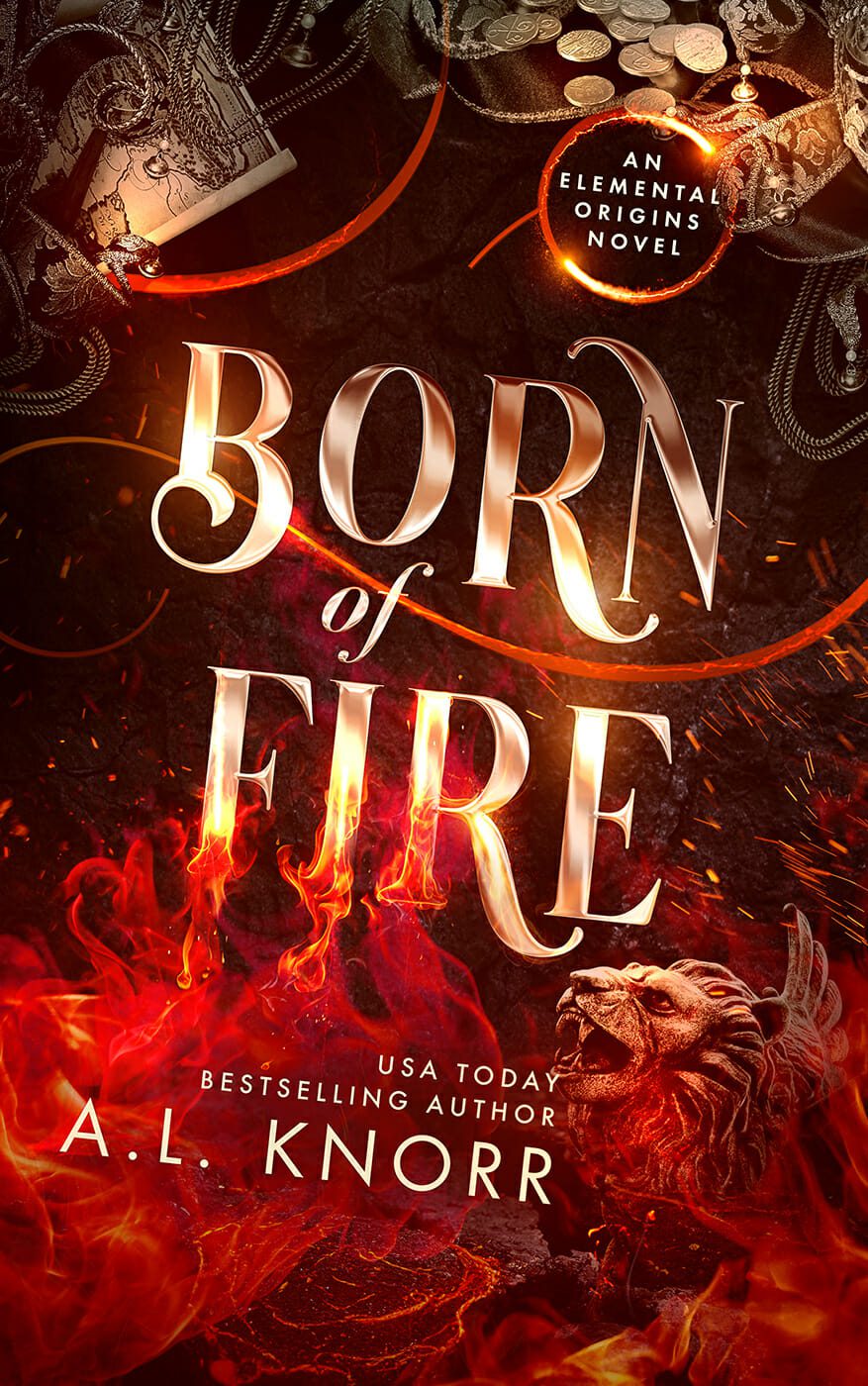
The issue with bad AI covers? More often than not, it’s simply a matter of a bad cover being a bad cover. Artificial Intelligence may "know" objectively what sells books. It may study bestseller lists. It may even understand genre expectations, but it cannot translate that knowledge into real, working, effective, book covers. It can’t, because it doesn’t know how to pare back, to create that pause, and to judge exactly what to focus attention on. It doesn’t get why one thriller cover gets clicks and another is ignored, or why one romance cover feels current while another feels dated (FYI: grayscale abs are out).
AI doesn’t really understand visual hierarchy, market positioning, reader psychology, or the subtle signals that tell a reader they’re looking at a book written for them. And, perhaps most importantly, the AI image models’ vast knowledge of what makes a good book cover is based almost entirely on the massive amounts of mostly mediocre covers they were trained on. Meaning it’s supremely competent at giving you something extraordinarily average.
Experienced cover designers don’t work that way.
This is why many AI-generated covers look bad and feel wrong. Not because AI was involved, but because significant human design input wasn’t.
Guess what: many non-AI covers are terrible too. Readers don’t have some finely tuned ability to detect AI – the further the technology advances, the more that’s true. They just know that some covers are eye-catching, compelling, and clickable, others just aren’t.
A bad cover created with AI is still just a bad cover. Bad covers with stock photography or illustrations are also just bad covers.
As an author, you should want the best one possible.
(Here's a tip if you're ever working with a cover designer: Don't use AI to create the brief or provide feedback for the designer. It constantly contradicts itself, tries to fit way too much on to the cover, sacrifices effectiveness for symbolism, and then says "keep it simple". Real author feedback is always more helpful than Claude or ChatGPT.)
Professional covers aren't ‘AI’ or ‘non-AI’
The reality is far messier.
An effective book cover might draw on stock photography, digital painting, custom illustration, Photoshop compositing, texture libraries, color grading, and generative AI imagery. All these elements come together to create a compelling cover.
So, if the clouds are generated, is this now an “AI cover”? If a photo of a tree or the hairstyle of the main character has been modified with AI, do the bots get all the credit/blame? Rather than fall down that rabbit hole, this is another perfect moment to take a step back and remind ourselves that readers are only asking themselves one thing:
Does this look like a book I want to read?
Successful authors have already moved on
We’ve spent 15 years designing thousands of covers for major publishers and bestselling authors. Some of those covers include generative AI elements. Some don’t. The interesting thing is how little the AI discussion matters to authors who are actually selling a lot of books.
Many of the authors (and publishers) we work with have sold hundreds of thousands, sometimes millions, of copies. They don’t hire us to use a particular tool or workflow. They hire us to create the strongest possible cover for their book, and they trust us to determine whether that means stock photography, custom illustration, digital painting, photography, generative AI elements, or a combination of all of the above.
What matters to them is whether the cover fits the genre, looks competitive beside current bestsellers, attracts the right readers, and ultimately helps sell more books.
The most commercially successful authors tend to be remarkably pragmatic. They don’t become attached to specific tools. They care about quality. If a particular approach creates a stronger cover, they’re happy for us to use it. If it doesn’t, they aren’t.
That’s not because they care less about their covers. It’s because they care more about the result than the process.
The question that actually matters
When you strip away the jumbo jet-level noise around AI, you realize that the fundamentals haven’t changed.
Your cover still needs to work at thumbnail size, as this the only version that more than 90% of readers will ever see. It still needs to clearly signal its genre. It still needs to look like it belongs next to the books readers are already buying.
Those things mattered before AI existed. They matter now. They’ll continue to matter long into the future.
If you find yourself worrying about whether elements on your cover were AI-generated, you’re asking the wrong question. Instead, step into your reader’s shoes:
Does this look like a book I’d want to read?
Readers don’t care how the sausage is made. Nor does Amazon. Both just want it to be tasty.
Successful authors learned long ago that the tool doesn’t matter. All that counts is creating a quality cover that does what you need it to: sell your book.